
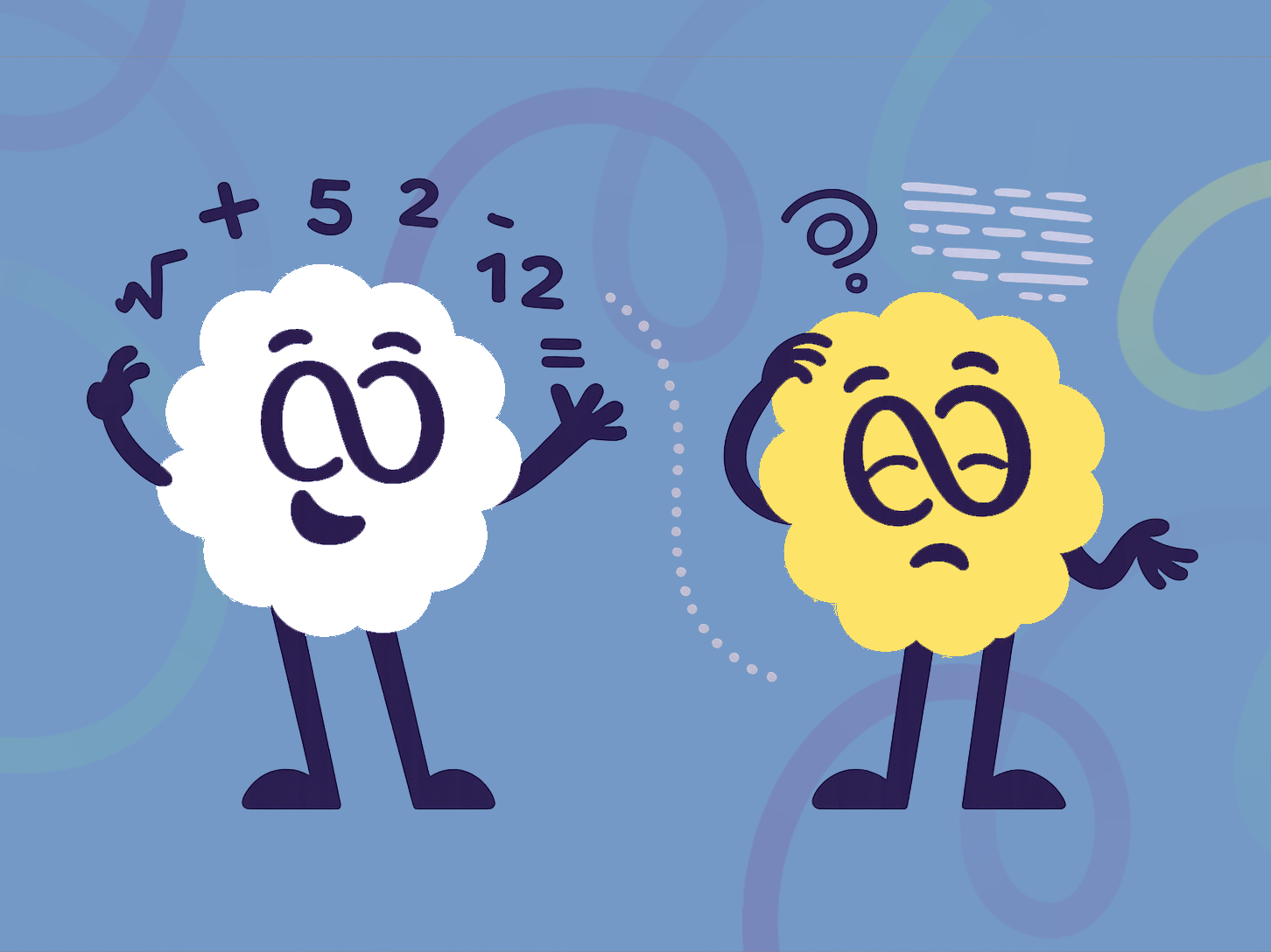
Your child is quick at solving equations — they can add, subtract, multiply, and divide at lightning speed. However, the moment they face math word problems, they freeze. Suddenly, it’s as if those arithmetic skills have vanished. They stare at the page, unsure of how to proceed, asking: What is the question actually wanting me to do?
While this may seem like a math issue, it is actually an English comprehension bottleneck. A child’s calculation speed isn’t usually hindered by the logic of the numbers; rather, it is neutralized by a gap in reading comprehension.
The math remains the same, but the words have changed. Ultimately, reading for math is the critical first step toward STEM success; if a child cannot decode the “story” of the problem, they never get the chance to use their math skills.
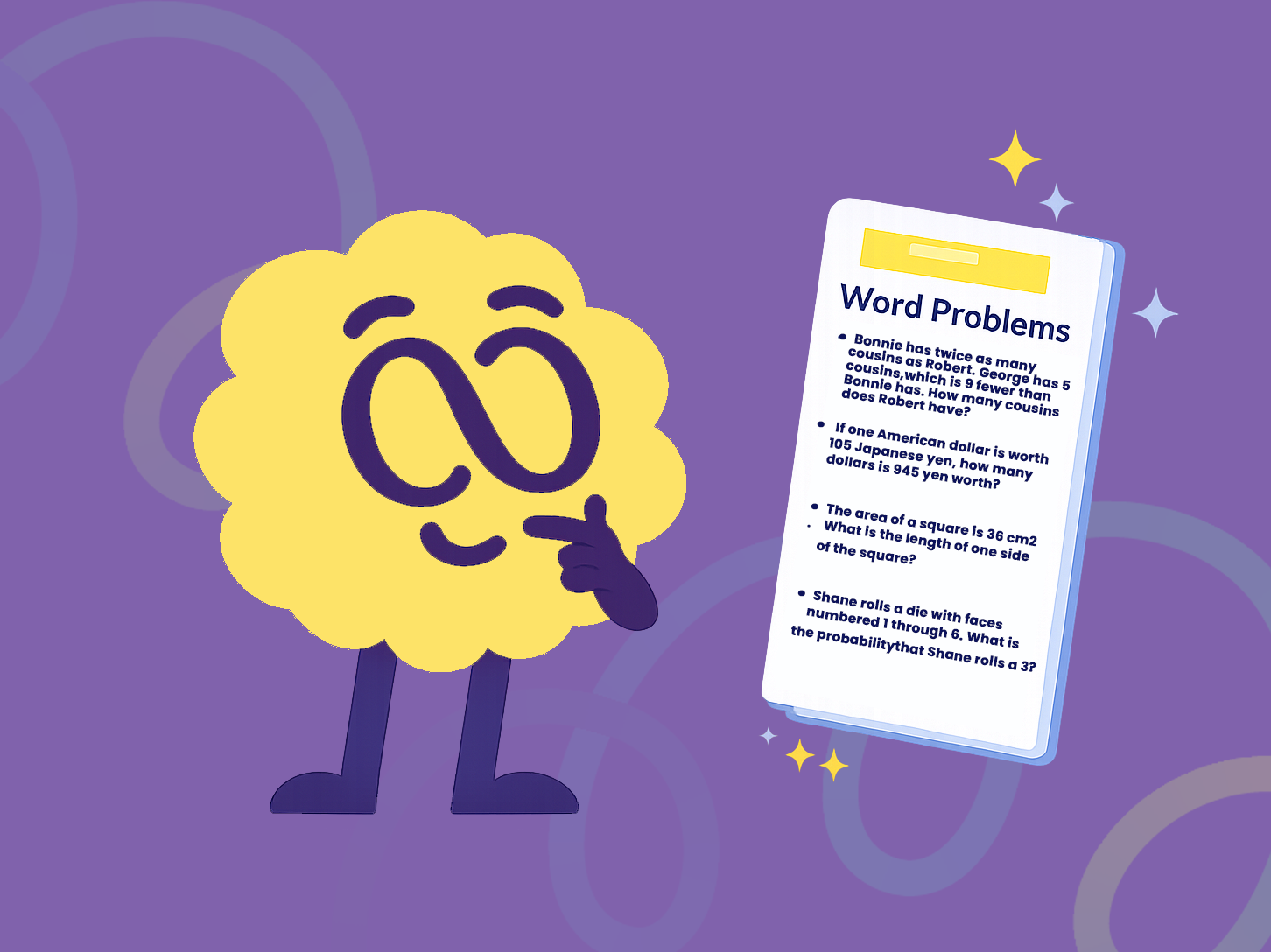
This isn’t just an observation; it’s backed by science. A 2020 longitudinal study by Spencer et al. followed 341 students from 2nd grade through 4th grade to find the math comprehension gap. The researchers discovered that elementary math word problems are fundamentally more difficult for children to solve than “decontextualized numerical problems” (Spencer et al., 2).
The study’s findings suggest that “early language-related skills, such as vocabulary and language comprehension,” have a massive impact on a student’s academic trajectory by the time they reach 4th grade (15). Essentially, those who struggle with the literacy of math early on find the gap widening as they level up, while those with strong comprehension skills see their math scores soar. For parents looking to intervene early, brainstermath.com offers resources to bridge this developmental gap.

When a child reads a word problem, their brain must first “translate” the text into a mathematical equation. If they cannot perform that translation, they get stuck before the math even begins. This proves that arithmetic skill alone is not enough; linguistic skills are the true predictors of STEM success in higher-level math.
Unlike standard tutors who just drill more math problems, a sophisticated approach recognizes that the struggle is often verbal, not numerical. When a student lacks the ability to parse complex syntax, even the most advanced calculator cannot help them identify which operation to use. This is why reading for math must be treated as a specialized skill set within a student's broader education. You can find specialized word problem strategies that address this specific cognitive hurdle.
The solution isn't just "reading more"; it's about targeted comprehension. When parents look for word problem help, they often focus on the numbers, but the real breakthrough happens when we address the language. At Brainster, we bridge this gap through careful, hands-on instruction where children learn to find the “clues” within a text to solve problems.
Our rigorous reading program teaches students to decode the "grammar" of math. We provide a distinct advantage by sending physical books directly to your home, ensuring students have high-quality, tactile resources to work through. Our math tutors act as the translators who teach the logic of equations, while our English tutors build the reading foundation essential for problem-solving. By identifying specific linguistic "clues," students learn to navigate even the most complex prompts with confidence.

English literacy shouldn’t be viewed as a separate subject; it is the most important tool in your child’s mathematical journey and the bedrock of future STEM success. By mastering both, they don’t just solve equations—they unlock the logic behind them and gain a competitive edge in their academic career.
Ready to unlock your child's full potential? Learn more about Brainster’s specialized programs and how our physical curriculum can transform your child's approach to learning.
Source: Spencer, Mercedes, et al. “Language-Related Longitudinal Predictors of Arithmetic Word Problem Solving: A Structural Equation Modeling Approach.” Contemporary Educational Psychology, vol. 60, 2020, https://doi.org/10.1016/j.cedpsych.2019.101825